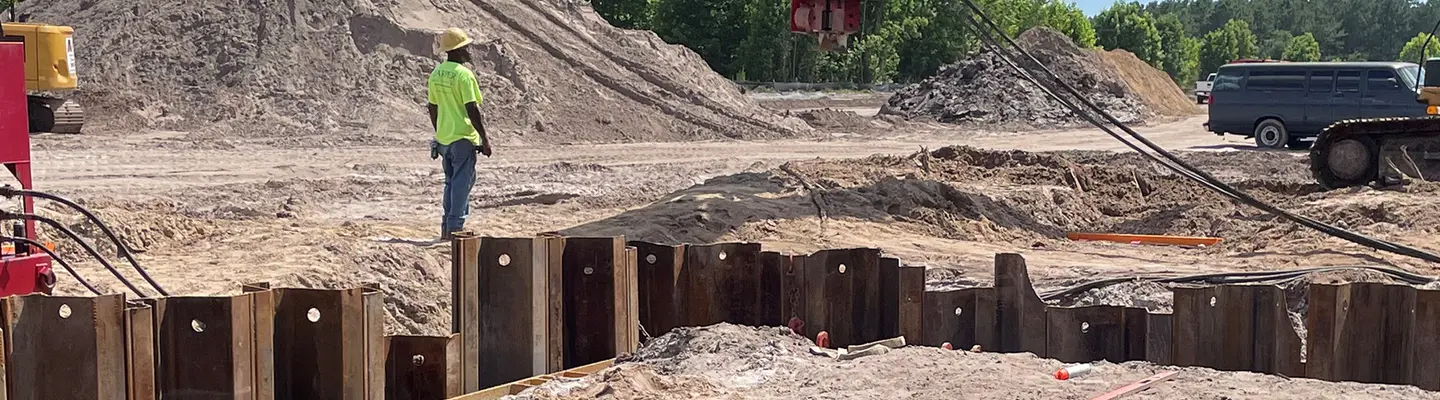
Properly locating and controlling spoil piles is essential to protecting workers and equipment.
When excavation spoil piles are located too close to the excavation or left uncontrolled, they can pose serious safety risks, including excavation collapse and worker injury or death. Understanding OSHA spoil pile requirements and managing spoil piles properly is critical to excavation safety.
What are spoil piles?
Spoil piles are the dirt, rock and debris that have been removed from the ground at an excavation site.
There are two types of excavation spoils: temporary and permanent. Temporary spoil consists of material removed from the hole and stored nearby, either for refilling the hole later or for eventual relocation. Permanent spoil, often created when contractors build underpasses or bury utilities, is stored offsite or at some distance from the excavation.
Temporary spoil piles are the bigger challenge when it comes to excavation safety.
What are OSHA spoil pile requirements?
OSHA mandates:
- The minimum distance that a spoil pile must be located from the rim of the excavation. Temporary spoil piles must be kept no closer than 2 feet (0.61 meters) from the surface edge. The distance should be measured from the base of the pile that’s nearest to the excavation edge, not the pile’s crown.
- The use of retaining devices capable of preventing materials or equipment from falling, rolling or sliding back into the excavation when retention is necessary.
- The positioning of spoil piles so they channel rainwater and other runoff water away from the excavation.
The dangers of improper spoil pile management
Locating a spoil pile too close to the excavation or failing to contain it properly poses hazards to workers in several ways.
Excavation collapse
A spoil pile at an excavation’s edge adds a lot of weight to the area—2,000 pounds or more per cubic yard of spoil. That weight can cause the trench protective system to fail, especially if heavy equipment is being operated nearby. Trench collapses remain a leading cause of fatalities in the construction industry.
In addition, spoil piles at the excavation’s edge can hide cracks in the ground that serve as an early warning of a wall collapse. That’s one reason spoil piles should be backed off at least 2 feet from the edge.
Tripping hazards
Loose dirt or debris that rolls from an unstable spoil pile can trip workers or pose other hazards.
How to reduce spoil pile risks
The competent person overseeing the excavation must ensure the spoil pile is properly placed and inspect it regularly for instability.
To reduce the risk of spoil pile incidents, contractors should:
- Maintain the minimum 2-foot spoil pile distance from the excavation edge.
- Relocate the spoil pile to another location or offsite if there’s not enough room to maintain that distance.
- Install an effective containment system to contain any falling material.
- If necessary, install a trench box that extends above the top of the excavation to shield workers from falling spoil materials.
- Seek input from a registered professional engineer (RPE) when needed. If sloping an excavation with a spoil pile nearby, consult an RPE if the competent person lacks the knowledge to evaluate the impact on the slope or calculate how much to reduce the slope by.
Excavation spoil piles pose more of a danger than many companies realize. By understanding the hazards created by spoil piles, following OSHA spoil pile requirements and using adequate containment methods and monitoring the pile regularly, contractors can minimize the risks to workers and equipment and protect the project timeline.
 Facebook
 X
 Linkedin
 Email
 Print
 Copy Link
 RSS Feed
